

 See My Latest Article on HelloNation
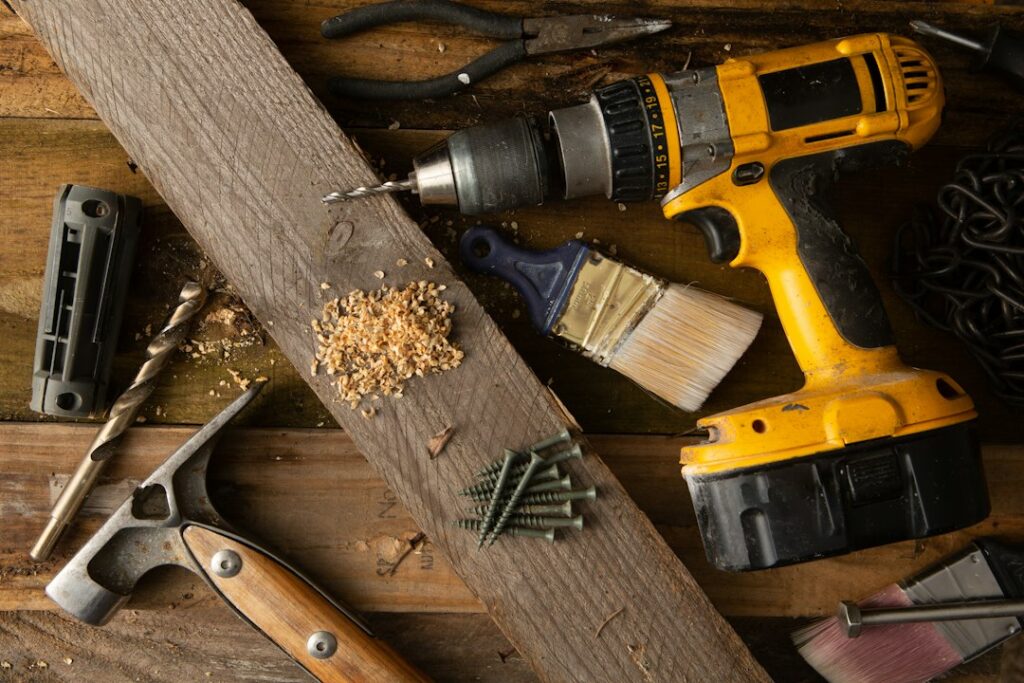
Should a property repair be handled as a DIY project or by a professional?
The right choice depends on the repair’s risk, complexity, tools required, and possible effect on the home. DIY work can make sense for routine, low-risk tasks, while professional help is appropriate when a mistake could cause injury, property damage, code problems, or a larger repair bill.
For residents and rental property owners in Fayetteville, NC, the decision also involves local weather conditions, older housing, tenant safety, and the need to document completed work. A quick repair is not always a simple repair if it involves electricity, plumbing behind walls, roofing, structural components, or heating and cooling equipment.
A useful starting question is: What could go wrong if the repair is done incorrectly? If the answer includes fire, flooding, electrical shock, mold growth, structural damage, or loss of essential services, the task generally belongs with a qualified professional.
Which repairs are usually reasonable for DIY work?
DIY repairs are generally suitable when the task is visible, limited in scope, and unlikely to affect major systems. The person doing the work should also have the right tools, enough time, and a clear understanding of the instructions.
Common examples include:
- Replacing air filter covers or vent covers
- Touching up interior paint
- Patching small nail holes
- Replacing cabinet hardware
- Tightening loose door handles
- Installing simple curtain rods or shelving
- Replacing weatherstripping around doors
- Cleaning accessible sink aerators
- Replacing batteries in smoke and carbon monoxide alarms
- Clearing minor debris from window screens and exterior drainage areas
These repairs still deserve care. For example, painting over damp drywall may hide a leak rather than solve it. Tightening a plumbing connection too aggressively can damage fittings. Installing shelves without locating wall framing can create wall damage or a falling-object hazard.
A small repair is appropriate for DIY work only when the underlying cause is understood.
When should a professional handle the repair?
Professional assistance is usually warranted when the repair involves hidden conditions, specialized equipment, permits, or a meaningful safety risk.
Examples include:
- Electrical panels, wiring, outlets, breakers, or recurring electrical faults
- Gas lines, gas appliances, or suspected carbon monoxide problems
- Roof leaks, damaged shingles, flashing, or roof penetrations
- Water leaks inside walls, ceilings, or flooring
- Sewer backups or repeated drain blockages
- Heating and cooling system failures
- Structural movement, sagging floors, or major foundation cracks
- Extensive mold or moisture damage
- Broken windows or exterior doors that affect security
- Repairs involving ladders, steep roofs, crawl spaces, or confined areas
A professional may also be needed when the visible problem is only a symptom. A ceiling stain, for example, may result from a roof issue, plumbing leak, condensation, or an improperly vented bathroom. Painting the stain without identifying the source can allow damage to continue behind the surface.
How does Fayetteville’s climate affect repair decisions?
Warm, humid weather can make moisture-related problems more persistent. Heavy rain, strong storms, and rapid temperature changes can expose weaknesses around roofs, windows, siding, gutters, and drainage paths.
In this setting, property owners should pay close attention to:
- Soft or discolored areas around windows and ceilings
- Peeling paint or swollen trim
- Musty odors in closets, crawl spaces, or bathrooms
- Standing water near the foundation
- Gutters that overflow during rain
- Caulking that has separated around tubs or windows
- Air-conditioning condensation that does not drain properly
Some maintenance tasks, such as cleaning accessible gutters or replacing deteriorated caulk, may be manageable for a careful homeowner. However, climbing onto a roof, entering a wet crawl space, or investigating suspected hidden mold creates additional risks. The presence of moisture does not automatically mean the repair is complex, but it does mean the source should be identified promptly.
Is DIY repair cheaper?
DIY work can cost less in direct labor, but the total cost depends on the chance of error. Materials, tool purchases, wasted time, repeat repairs, and damage caused by an incorrect fix can quickly eliminate the expected savings.
For instance, replacing a worn toilet fill valve may be a manageable task for someone familiar with basic plumbing. Attempting to repair a concealed supply line without the right tools can create water damage that affects flooring, cabinets, and adjacent rooms.
The financial decision should consider four factors:
1. Material cost: What parts and supplies are required?
2. Tool cost: Are specialized tools needed?
3. Time cost: How long will the repair take, including cleanup?
4. Failure cost: What damage could result from an incorrect repair?
A repair that saves a modest amount but creates a major risk is not a good DIY project.
What changes when the home is a rental property?
Rental properties require a more cautious standard because repairs can affect tenants, habitability, safety, and the owner’s records. A property owner may be comfortable painting a personal room but may need a more consistent process for a rental home.
Repair decisions should account for:

- Whether the issue affects water, electricity, heating, cooling, sanitation, or security
- Whether a tenant could be injured while waiting for the repair
- Whether the problem is likely to worsen quickly
- Whether the work must meet local building or safety requirements
- Whether the repair should be documented with photographs, invoices, or inspection notes
- Whether the work could affect insurance coverage or a warranty
Tenants should report leaks, electrical problems, suspected gas issues, broken locks, and loss of essential services rather than attempting repairs that could create further damage. Property owners and managers should respond according to the urgency of the condition, especially when the problem involves active water intrusion, unsafe wiring, or a home that cannot be reasonably occupied.
What repair problems should never be delayed?
Some conditions deserve immediate attention even if the final repair cannot happen the same day. Active flooding, sparking outlets, burning odors, suspected gas leaks, sewage overflow, major storm damage, and a lack of safe entry or exit can pose immediate hazards.
Practical first steps may include:
- Turning off the water supply if a fixture or pipe is actively leaking
- Shutting off power to an affected circuit if it can be done safely
- Leaving the area if there is smoke, a strong gas odor, or electrical arcing
- Protecting belongings from water without entering unsafe areas
- Recording photographs and the time the problem was discovered
- Keeping children and pets away from the affected area
Emergency steps are not the same as permanent repairs. Stopping additional damage may be reasonable, but electrical, gas, structural, and major water problems should be evaluated by someone qualified to correct the underlying condition.
How can someone make a sound repair decision?
A practical decision process is to classify the repair before choosing a method.
DIY is more appropriate when:
- The cause is clear
- The work is low risk
- No specialized license, permit, or inspection is likely to be required
- The repair is accessible and reversible
- The person doing the work understands the instructions
Professional work is more appropriate when:
- The cause is uncertain
- The repair involves a major home system
- Water, gas, electricity, structural components, or hazardous materials are involved
- The work requires specialized tools or access
- A mistake could affect health, safety, insurance, or habitability
Keeping a basic repair record is useful in either situation. Note the date, problem, materials used, photographs, and any follow-up needed. Clear records help identify recurring issues, support responsible property management, and prevent temporary fixes from being mistaken for completed repairs.
The best choice is not always the least expensive option at the beginning. It is the approach that resolves the problem safely, addresses the cause, and reduces the chance of the same damage returning.