

 See My Latest Article on HelloNation
What Happens When Rent Is Paid Late in Fayetteville, NC?
Many renters in Fayetteville sometimes find themselves behind on rent due to unexpected challenges like medical expenses, job changes, or short paychecks. In these cases, local landlords typically have policies outlined in the lease agreement about what happens next. Most leases in the city define a grace period—often a few days after rent is due—before a payment is officially considered late. After this period, tenants may be charged a late fee, which must follow North Carolina state law.
The late fee cannot exceed $15 or 5% of the monthly rent, whichever is greater, for month-to-month agreements. Leases also specify exactly when rent is due and what happens if payment isn't made. Familiarize yourself with these details, as they shape your rights and responsibilities.
What Should You Do If You Know You’ll Miss a Payment?
Notify your landlord or property manager as soon as you realize a payment will be missed. Immediate, honest communication helps prevent escalation and keeps options open. Explain your situation briefly, state when you expect to pay, and ask if flexibility is possible. Many rental owners in the area appreciate advance notice rather than being left guessing about late payment.
Providing a concrete plan (even just a new payment date) signals that you’re acting responsibly. Some renters worry this will jeopardize their tenancy, but most find that clear communication helps maintain a positive relationship.
Are There Any Legal Protections for Renters Who Fall Behind?
There are limited tenant protections related to late payments in the state. In Fayetteville, rental agreements control most financial aspects, but basic state laws set limits on late fees and require landlords to provide written notice before pursuing eviction.
If you are late, your landlord must give a written notice outlining the amount owed and any applicable fees before starting eviction proceedings. This notice period is typically 10 days. If you’re able to pay the full amount within this window, eviction does not proceed. Tenants have the right to remain in the property if the debt is paid in full before the court process begins.
How Does the Eviction Process Work for Nonpayment of Rent?
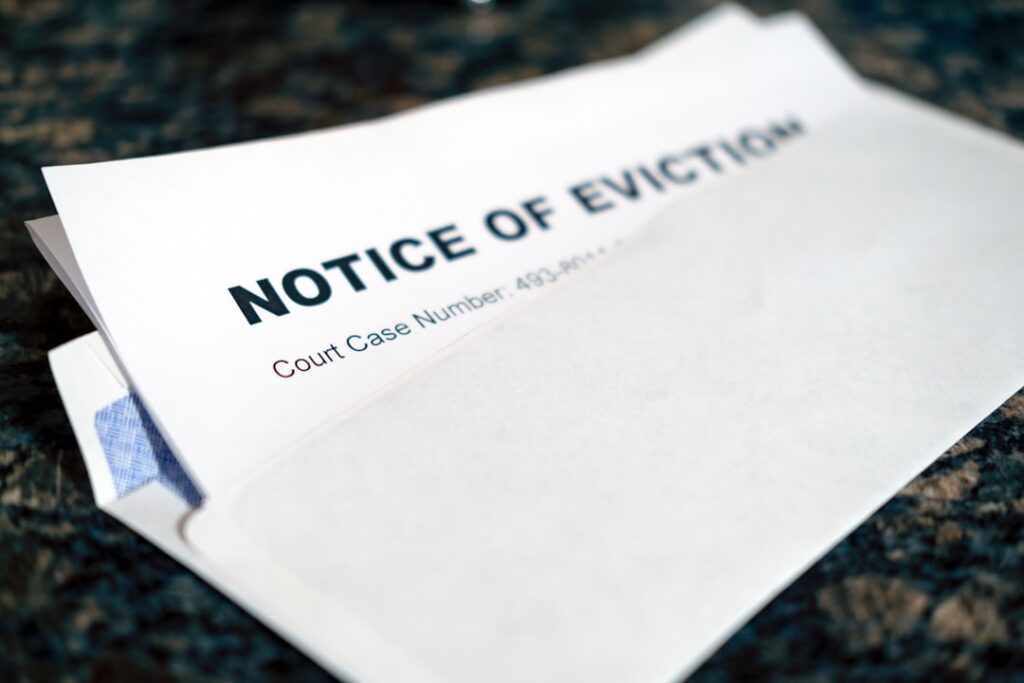
If a resident cannot pay rent or make arrangements, property owners can start eviction for nonpayment. In Fayetteville, the process begins with a written “10-day demand for rent” notice. This document details the total due and warns that legal action will follow unless the full sum is paid within those 10 days.
If payment isn’t made, the owner can file a “Summary Ejectment” in small claims court. A court date is usually set within a couple of weeks, where both landlord and tenant can present their case. If a judgment favors the landlord, further legal steps allow them to remove a resident—but this takes time, and tenants retain the right to pay the delinquent rent to halt eviction up until a judge’s decision.
What Are Common Misconceptions About Late Rent in the City?
Misunderstandings about deadlines, fees, and tenant rights are common among local renters facing money trouble. For example:
- Grace periods are not legally required—these are set by the lease, not state law.
- Landlords are not allowed to change locks, remove belongings, or turn off utilities to force payment; only a court order can end a tenancy.
- Late fees are limited by law but not always automatically waived due to hardship.
Believing that late rent always results in immediate eviction is another misconception—owners must follow due legal steps and written procedures.
Can Payment Arrangements Be Made with Landlords?
Owners in the city may agree to payment plans, but this is not guaranteed or required. If you have a temporary setback, propose a realistic timeline for catching up and confirm all agreements in writing. Clear documentation helps protect both parties from later confusion.
Be wary of informal arrangements. If a payment plan is made, ask for written confirmation that spells out dates and amounts. If the plan is not documented in writing, it may be hard to prove what was agreed upon if there are any disputes later.

Where Can Residents Look for Help with Missed Rent?
Community organizations and public programs sometimes offer emergency rental assistance, particularly during times of widespread hardship (like job loss or natural disasters). Assistance may be available for qualifying households through local non-profits, faith-based groups, or city agencies.
It is useful to keep track of eligibility requirements and deadlines for these sorts of resources, as funds are typically limited. For up-to-date information, residents can check reputable city, county, or North Carolina state public agency websites.
What Steps Can Help Prevent Future Late Payments?
Preventing late payments is often easier than handling the aftermath. Some tips popular among area households include:
- Setting reminders: Use calendars, phone alarms, or online rent payment platforms to prompt on-time payments.
- Budgeting monthly: Planning for rent as a priority expense helps avoid shortfalls.
- Communicating early: If financial trouble seems likely, start the conversation with the rental owner sooner rather than later.
- Building a small cushion: Saving even a modest amount each month offers protection against surprise expenses that might otherwise cause delays.
Residents sometimes coordinate with household members to make sure everyone understands payment responsibilities, especially in shared homes or apartments.
Does Seasonal or Local Context Affect Late Rent Issues?
Unique local challenges—such as military deployments, seasonal employment cycles, or summer utility spikes—can lead to unpredictable cash flow for some Fayetteville households. The city’s mix of civilian and military renters may mean residents are sometimes temporarily reassigned or experience changes to income or benefits. Open, early communication with rental owners can be particularly helpful in these scenarios, as both parties may be familiar with these local patterns.