

 See My Latest Article on HelloNation
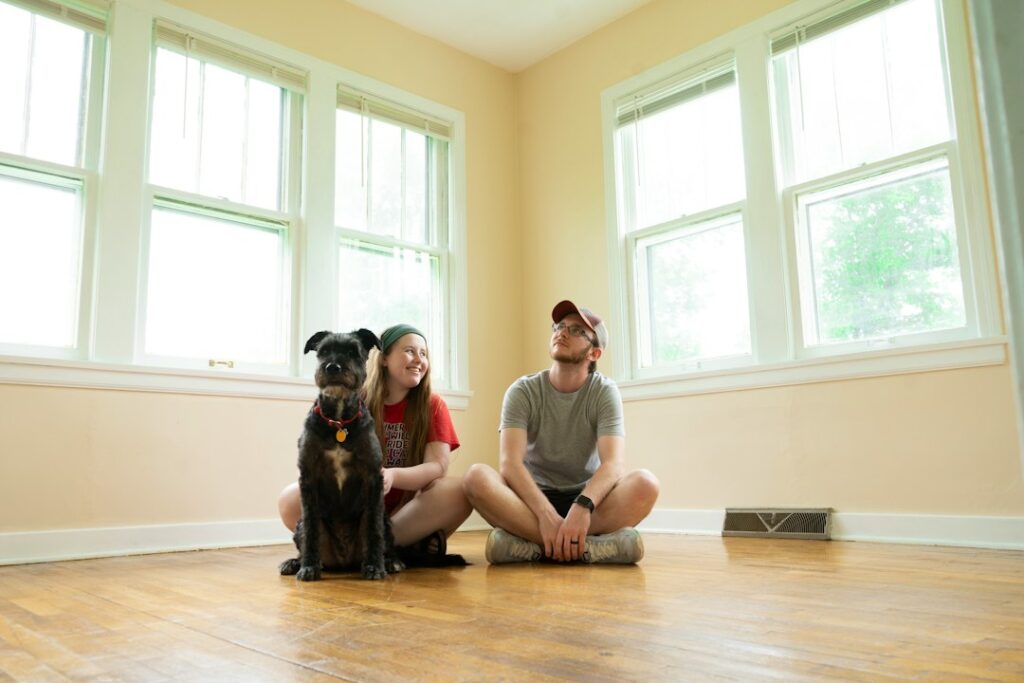
Should rental properties allow pets?
Usually, a clear and carefully limited pet policy is more practical than an automatic no-pet rule. Allowing pets can expand the pool of qualified applicants and support stable tenancies, but it also creates responsibilities involving property damage, noise, sanitation, safety, and fair housing compliance.
The right decision depends on the property’s design, surrounding homes, flooring, outdoor space, insurance requirements, and the owner’s ability to enforce consistent rules. A pet policy should be based on the property’s actual risks rather than assumptions about all animals or all residents.
For many rentals, the most workable approach is to allow common household pets under written conditions. That may include limits on the number of animals, size or weight standards, vaccination records, flea prevention, waste removal, and tenant responsibility for damage.
What are the advantages of allowing pets?
Allowing pets may make a rental more accessible to households that would otherwise overlook the property. Many residents consider a pet part of the household, and a strict prohibition can reduce the number of otherwise qualified applicants.
A reasonable pet policy can also reduce the likelihood that residents will keep animals without permission. Unauthorized pets are harder to screen, document, and regulate. A written approval process gives the owner an opportunity to identify the animal, establish expectations, and address concerns before move-in.
Other possible benefits include:
- A larger applicant pool
- Fewer disputes over undisclosed animals
- Clearer responsibility for pet-related damage
- Better documentation at move-in and move-out
- A consistent process for approving or denying animals
Allowing pets does not eliminate risk. It creates a framework for managing risk openly instead of leaving the issue to informal agreements or lease violations.
What are the main risks for property owners?
The most common concerns are damage, odors, noise, pests, and liability. Some risks are more likely in certain types of housing than others.
For example, carpeted units may be more vulnerable to stains and lingering odors, while homes with yards may raise concerns about digging, damaged landscaping, or waste accumulation. In attached housing, barking, scratching, and repeated noise may affect neighboring households more quickly than in a detached home.
The warm, humid conditions that can occur in the region may also make moisture, odors, and flea control more noticeable if an animal has accidents indoors or outdoor waste is not removed promptly. These issues should be addressed through specific lease terms rather than vague language such as “pets must be well behaved.”
Owners should also consider:
- Whether fencing, gates, doors, and windows can safely contain an animal
- Whether flooring and finishes can tolerate ordinary pet use
- Whether the property has stairs, balconies, or other fall hazards
- Whether local animal-control rules apply to licensing, restraint, noise, or waste
- Whether insurance or lender requirements restrict certain animals or breeds
- Whether maintenance workers need advance notice before entering a home with an animal
A pet policy should not promise that damage will never occur. Instead, it should explain who is responsible, what conduct is prohibited, and how violations will be handled.
What should a written pet policy include?
A strong policy defines the rules before a resident signs the lease. It should apply consistently to similarly situated residents and should be written in language that is easy to understand.
Useful provisions may address:
- The types and number of animals permitted
- Whether approval is required before an animal moves into the property
- Identification of the animal, including species, age, and approximate size
- Vaccination and licensing records when legally appropriate
- Leash, waste-removal, and noise expectations
- Restrictions on breeding, boarding, or keeping visiting animals
- Requirements for crates, gates, or other safety measures
- Tenant responsibility for damage, odors, infestation, and cleaning
- Procedures for replacing an approved animal
- Consequences for unauthorized animals or repeated violations

The policy should also explain whether a pet fee, pet rent, or additional deposit applies. In North Carolina, a landlord may charge a reasonable nonrefundable fee for pets. Separate security-deposit limits and accounting rules still matter, and charges should not be described in a way that conflicts with state law.
An owner should avoid relying only on a separate “pet agreement” that conflicts with the main lease. The lease, addendum, application materials, and inspection records should use consistent terms.
Are no-pet policies allowed?
A no-pet rule is generally permitted for ordinary household pets, subject to the terms of the lease and applicable law. Owners may decide that a property’s layout, flooring, insurance requirements, or operating conditions make pets unsuitable.
However, assistance animals are not treated as ordinary pets under federal fair housing law. A resident with a disability may request a reasonable accommodation to a no-pet policy, including permission to keep a service animal or another assistance animal related to the disability.
A housing provider may ask for reliable disability-related information when the disability or the need for the animal is not apparent. The provider may not require a pet fee or pet deposit for an approved assistance animal. The animal may still be subject to reasonable rules concerning conduct, health, safety, and damage.
A request should be evaluated individually. A label, certificate, online registration, or generalized statement that an animal provides comfort does not automatically answer every fair housing question. At the same time, a housing provider should not demand unnecessary medical details or apply a more burdensome process simply because the animal is an assistance animal.
What should residents check before bringing home a pet?
Residents should review the entire lease, not just a listing or verbal statement. Important details may include the number of animals allowed, species restrictions, weight limits, fees, yard rules, inspection provisions, and cleaning obligations.
Before moving in, residents should ask:
- Is written approval required?
- Are visiting pets treated differently from permanent pets?
- What charges apply, and when are they due?
- Are there rules for shared hallways, elevators, or outdoor areas?
- Who pays for flea treatment, deodorizing, damaged screens, or scratched flooring?
- What happens if the animal is replaced or becomes larger?
- Are there rules from a homeowners’ association or other governing body?
Residents should not assume that a property allowing one type of animal automatically allows every type. A policy may distinguish between common household animals and animals that create unusual safety, sanitation, or maintenance concerns.
How can disputes be prevented?
Most pet-related disagreements are easier to prevent than resolve. A detailed move-in inspection should record existing damage, flooring condition, doors, screens, fencing, landscaping, and odors. Photographs and written notes can help distinguish preexisting conditions from later damage.
Communication should also be prompt and specific. If barking, waste, odor, or property damage becomes a problem, the written notice should identify the lease provision involved and explain what correction is required. Vague warnings often produce confusion and inconsistent enforcement.
For residents, promptly reporting a damaged fence, broken gate, pest issue, or plumbing problem can prevent a minor condition from becoming a larger one. For owners, responding consistently helps avoid the appearance that rules are being enforced differently from one household to another.
The most defensible policy is not necessarily the strictest one. It is the policy that fits the property, follows applicable law, explains responsibilities clearly, and is applied consistently to both ordinary pets and assistance-animal requests.